Source Round Corner Openable Access Door with Anti-Mosquito Net for Home, Hotel, Hospital
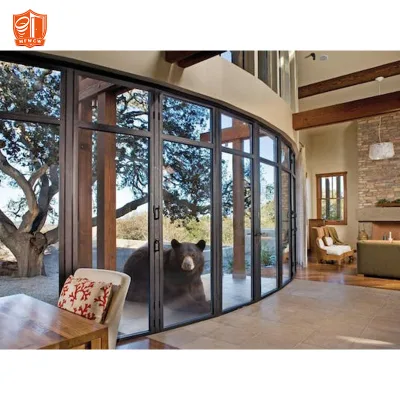
Compare 30 listings for the round corner openable access door with anti-mosquito net designed for residential, commercial, and industrial spaces. Buyers can evaluate aluminum alloy frames, PET or fiberglass mesh options, and customization availability from verified Chinese manufacturers.
Key considerations
Products List

Mosquito-Proof Extendable Windows and Doors with Insect Netting, Accordion-Style Door
$28.00 - $58.00
MOQ: 500 Square Meters

Anti-Collision Striped Mosquito-Proof Net Door, Roller Mosquito-Proof Door
$25.00 - $28.00
MOQ: 500 Square Meters

Premium Folding Mesh Mosquito Repellent Door with Detachable Aluminum Frame
$32.00 - $38.00
MOQ: 1000 Square Meters

Removable Folding Mosquito Net Door Aluminum Frame Anti-Mosquito Screen Door
$22.00 - $28.00
MOQ: 1000 Square Meters


The Mosquito-Proof Roller Shutter Door Can Be Adjusted Insect Screen Door
$47.00 - $48.00
MOQ: 500 Square Meters

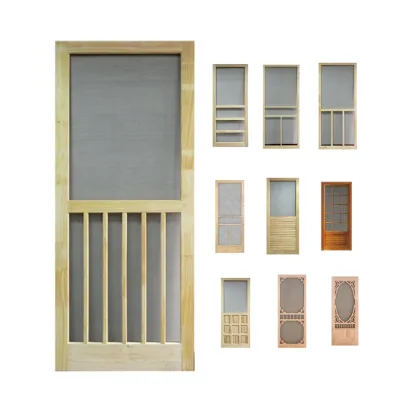
Security Screen Door Fly Screen Mesh Mosquito Net Doors Insect Screen Door
$16.93 - $20.23
MOQ: 100 pieces
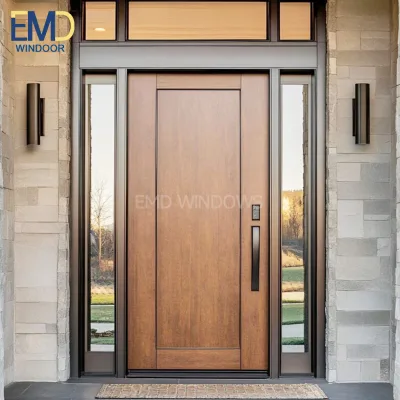


Good Price Insect Protection Mosquito Net Slat Curtain Screen Door for Living Room
$2.00 - $3.50
MOQ: 500 Pieces
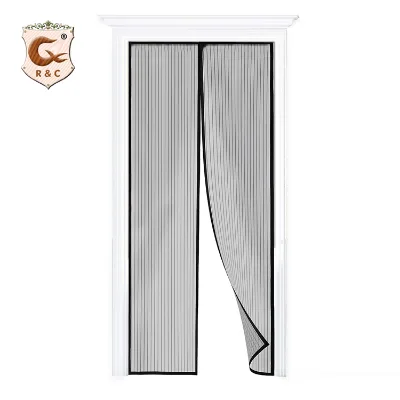

Effective Mosquito Prevention Magnetic Screen Door with Simple Maintenance
$52.00 - $160.00
MOQ: 2 Square Meters

Horizontal Open Anti Mosquito Net Retractable Door Balcony Sliding Glass Bifold Folding Door
$30.00 - $150.00
MOQ: 10 Square Meters

Horizontal Open Anti Mosquito Net Retractable Door Pleated Mesh Folding Fly Screen Door
$30.00 - $150.00
MOQ: 10 Square Meters


Security Screen Door Fly Screen Mesh Mosquito Net Doors Insect Screen Door
$15.00 - $19.00
MOQ: 100 Sets

Comprehensive Sourcing Guide
Strategic Sourcing Guide for Round Corner Openable Access Doors with Anti-Mosquito Net Integration
Understanding the Technical Architecture of Integrated Screening Systems
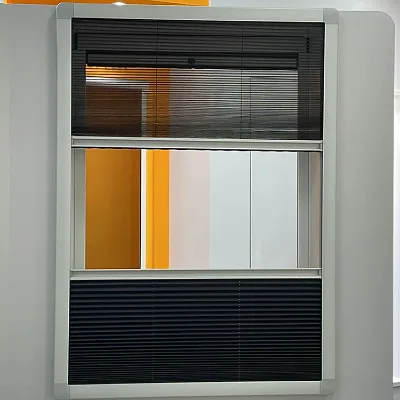
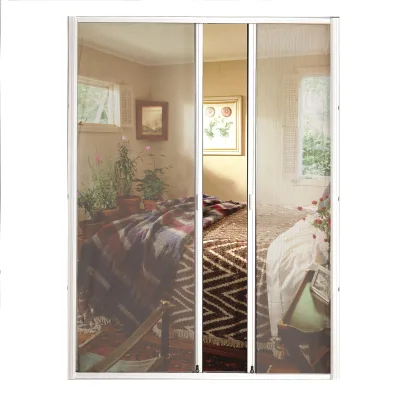
When sourcing a round corner openable access door with an integrated anti-mosquito net, buyers must first distinguish between static screening solutions and dynamic, retractable systems. The core keyword implies a specialized architectural component where the geometry of the door frame accommodates rounded corners, a feature often found in modern residential and commercial designs to enhance safety and aesthetics. Based on available product data, the market offers distinct configurations, including retractable roller screens and folding telescopic screens, which serve as the primary mechanisms for the anti-mosquito function.
The technical specifications for these systems vary significantly by model. For instance, specific models identified in the supply chain, such as the ZD20-0815 and FS-YXSM-1, utilize a mesh size of 20 * 20 mesh, a dimension critical for balancing airflow with insect exclusion. The structural integrity of these doors often relies on an aluminum alloy frame, with observed thicknesses of 1.0 mm for the alloy components. This material choice is paramount for durability, particularly in environments subject to frequent opening and closing cycles. The screen netting itself presents a material divergence; some units utilize PET (Polyethylene Terephthalate) for its strength and resistance to tearing, while others employ fiberglass or aluminum wire for different performance profiles. The weaving style is typically plain, ensuring a uniform barrier against pests.
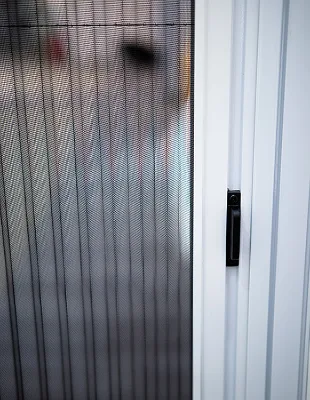
The operational mechanism is another critical technical differentiator. The observed market includes "Automatic" open styles and "Folding" open styles. Automatic systems often rely on spring-loaded or motorized retractable rollers, fitting the "Retractable Roller Screen" category, whereas folding systems, categorized as "Folding Telescopic Screen Doors," utilize a pleated netting design that collapses when not in use. The installation type is equally variable, with options for both "Built-in" and "Externally" mounted configurations. Buyers must verify if the specific unit supports the "Round Corner" requirement, as standard rectangular frames are more common. The customization availability suggests that the frame geometry can be adapted, but the buyer must explicitly confirm that the supplier can manufacture the specific curvature required for the round corner application without compromising the structural integrity of the aluminum alloy.
Compliance Verification and Certification Standards
In the B2B procurement of building components, compliance is not merely a formality but a prerequisite for market entry and safety assurance. The supplied product data indicates that manufacturers often hold certifications such as ROHS, ISO, and CE. These certifications serve as evidence that the product meets specific international standards regarding hazardous substances, quality management, and safety. However, buyers must treat these as observations of specific listings rather than universal guarantees for every unit in the category.
The ROHS certification is particularly relevant for electronic or mechanical components that may contain electrical actuators, ensuring the absence of restricted hazardous materials. ISO certification typically relates to the quality management systems of the manufacturing facility, suggesting a standardized approach to production. CE marking indicates conformity with health, safety, and environmental protection standards for products sold within the European Economic Area. When sourcing from China, specifically from regions like Shandong and Hebei, buyers should verify that the "Could customize" or "custom made" standards mentioned in the product attributes align with the specific regulatory requirements of the destination market.
It is essential to note that while the data lists these certifications, the actual certification status of a specific batch must be validated through official documentation. Buyers should request current certificates of conformity directly from the supplier. Furthermore, the "prod_standard" field often notes that standards can be customized. This implies that the manufacturer may produce to a specific client requirement rather than a fixed industry standard. In such cases, the buyer must define the required standard clearly in the purchase order and ensure the supplier has the capability to meet it. The absence of a specific numerical standard in the general data means that buyers cannot assume a universal performance threshold and must instead establish their own technical specifications for fire resistance, wind load, and impact resistance based on local building codes.
Cost Drivers and Economic Factors in Procurement
The pricing landscape for round corner openable access doors with anti-mosquito nets is influenced by a complex interplay of material costs, customization levels, and order volume. The observed listed price range in the market spans from 0.35 to 225 USD. This wide disparity is not indicative of a single product type but rather reflects the difference between individual components, such as replacement mesh or small accessories, and complete, fully customized door assemblies. The lower end of the range likely corresponds to basic netting materials or small-scale accessories, while the higher end encompasses full door units with specialized frames, automated mechanisms, and custom geometries.
Material composition is a primary cost driver. The choice between aluminum alloy, PET, and fiberglass significantly impacts the final price. Aluminum alloy frames, particularly those with a thickness of 1.0 mm, offer superior durability but come at a higher material cost compared to standard aluminum wire or fiberglass options. The "Well-equipped" nature of the accessories also adds to the cost, as high-quality hardware, including rollers, tracks, and locking mechanisms, requires precision engineering. Customization is another major factor. The "Available" and "Customize" attributes indicate that buyers can request specific colors, such as white, gray, or brown, and custom sizes. However, these customizations often incur additional tooling and setup fees, pushing the unit price toward the higher end of the spectrum.
Order volume plays a critical role in cost optimization. The observed Minimum Order Quantity (MOQ) ranges from 1 to 1000 units. Small orders are accepted, which is beneficial for pilot projects or small-scale renovations, but the per-unit cost will likely be higher due to the lack of economies of scale. Conversely, bulk orders of 1000 units can significantly reduce the per-unit cost, making the investment more viable for large commercial projects like malls, hotels, or office complexes. Buyers should also consider the lead time, which is observed to be between 20 and 45 working days. Longer lead times may necessitate earlier ordering and potentially higher inventory carrying costs, which should be factored into the total cost of ownership.
Typical Applications and Usage Scenarios
The versatility of round corner openable access doors with anti-mosquito nets makes them suitable for a diverse range of applications. The product data explicitly lists applications in apartments, homes, hospitals, hotels, malls, offices, schools, supermarkets, villas, and warehouses. This broad applicability stems from the dual function of the product: providing security and pest control while maintaining aesthetic appeal.
In residential settings, such as apartments, villas, and homes, the "Anti insect" and "Anti mosquitoes" functions are primary drivers. The "Round corner" design is particularly valuable in modern home architecture, offering a sleek, safe profile that minimizes sharp edges. The "Invisibility" function mentioned in the product attributes is highly desirable in luxury residential projects, where the goal is to allow unobstructed views while keeping insects out. The "Built-in" installation type is often preferred in these scenarios to maintain a clean, integrated look.
Commercial and institutional environments present different requirements. In hospitals and schools, the "Dustproof" and "Insect Resistant" features are critical for maintaining hygiene and preventing the spread of allergens. The "Anti-theft" function adds a layer of security, which is essential for public buildings. In hotels and malls, the aesthetic aspect is paramount; the "Modern" style and "Customized Colors" allow the doors to blend seamlessly with the interior design. The "Retractable" nature of the screens ensures that the doors do not obstruct foot traffic when not in use, a crucial factor in high-traffic areas like malls and supermarkets.
Industrial applications, such as warehouses, prioritize durability and functionality. The "Aluminum Alloy" construction provides the necessary strength to withstand heavy use. The "Folding" or "Retractable" mechanisms allow for easy access to large openings without the need for permanent structural changes. The "Position" of the screen, whether "Interior" or "Room," must be carefully considered based on the specific environmental conditions of the facility. For instance, exterior installations in coastal areas may require specific corrosion-resistant treatments, which should be verified with the supplier.
Supplier Evaluation and Operational Capabilities
Selecting the right supplier is a critical step in the procurement process, requiring a thorough evaluation of their capabilities, location, and operational standards. The supply data indicates that manufacturers are primarily located in China, with specific mentions of Shandong and Hebei provinces. These regions are known for their robust manufacturing bases in the aluminum and metal processing industries. However, buyers should not rely solely on the general location but must verify the specific factory's capacity to handle custom orders.
The "Customization" and "Custom made" attributes suggest that suppliers are flexible, but this flexibility must be matched with technical competence. Buyers should assess the supplier's ability to produce the "Round Corner" geometry, as this is a non-standard feature that requires specialized tooling. The "Surface Finishing" being "Finished" indicates that the products undergo a final treatment process, but the specific type of finishing (e.g., powder coating, anodizing) should be confirmed to ensure it meets the environmental demands of the application.
Logistics and packaging are also key evaluation criteria. The observed packing methods include "Foam & Carton & Pallet" and "Protective Film+Carton+Wooden Frame." These methods are designed to protect the product during transit, but the choice of packaging should align with the fragility of the specific components. For instance, round corner frames may be more susceptible to denting during shipping, requiring robust wooden framing. The "Delivery Time" of 20-45 working days is a significant factor in project planning. Buyers must ensure that the supplier can consistently meet these timelines, as delays can disrupt construction schedules.
Furthermore, the "Small Orders: Accepted" attribute is a positive indicator for suppliers willing to work with smaller clients, but it is essential to verify if this applies to custom orders or only standard stock items. The "Brand Name" Kaiyisi is mentioned in the data, but buyers should not limit their search to a single brand. Instead, they should evaluate multiple suppliers based on their ability to meet the technical and logistical requirements of the project.
Quality Control and Long-Term Procurement Considerations
Ensuring the quality of round corner openable access doors requires a proactive approach to quality control (QC) and long-term planning. The "Well-equipped" accessories and "Finished" surface finishing are positive indicators, but they do not guarantee the performance of every unit. Buyers should implement a rigorous QC protocol that includes pre-shipment inspections. This should involve verifying the "Mesh Size" of 20 * 20 mesh, checking the "Aluminum Alloy Thickness" of 1.0 mm, and ensuring the "Weaving" is consistent and free of defects.
Long-term procurement considerations extend beyond the initial purchase. The "Function" of the door, including "Invisibility," "Anti-theft," and "Dustproof" capabilities, must be maintained over time. This requires the use of high-quality materials that resist wear and tear. The "Screen Netting Material," whether PET or fiberglass, should be selected based on its resistance to UV degradation and tearing. Buyers should also consider the maintenance requirements of the "Automatic" or "Folding" mechanisms. Regular lubrication and inspection of the moving parts are necessary to ensure smooth operation.
The "Customized Colors" and "Product Color" options (White, Gray, Brown, etc.) should be matched with the long-term aesthetic requirements of the building. Fading or discoloration over time can detract from the building's appearance, so buyers should request samples to verify the colorfastness of the materials. The "Standard" of "Could customize" implies that the product may not meet a universal standard, so buyers must define their own performance criteria for durability and safety.
Finally, the "Lead Time" of 20-45 working days should be factored into the procurement timeline. Buyers should plan for potential delays and maintain a buffer in their project schedule. The "MOQ" range of 1-1000 allows for flexibility, but buyers should aim to consolidate orders to achieve better pricing and logistics efficiency. By focusing on these quality control and long-term considerations, buyers can ensure that their investment in round corner openable access doors with anti-mosquito nets delivers value and performance over the lifespan of the building.
FAQs
What certifications do these doors typically hold?
These doors often hold ROHS, ISO, and CE certifications. Buyers must verify specific batch documentation as these are observations of listings rather than universal guarantees for every unit in the category.
Which materials are used for the frame and mesh?
Frames are constructed from Aluminum Alloy with a thickness of 1.0 mm. Mesh materials vary between PET, Fiberglass, and Aluminium Wire depending on the specific model and functional requirements.
Can the product be customized for specific sizes?
Yes, customization is available for sizes and colors like white, gray, or brown. Buyers must explicitly confirm the supplier can manufacture specific geometries like round corners without compromising structural integrity.
How long does delivery take for these units?
Delivery time ranges from 20 to 45 working days. This lead time should be factored into project planning, especially for bulk orders that may require earlier scheduling to manage inventory costs.
What is the minimum order quantity for purchase?
The minimum order quantity ranges from 1 to 1000 units. Small orders are accepted for pilot projects, while bulk orders of 1000 units can significantly reduce the per-unit cost through economies of scale.
Where are the manufacturers located?
Manufacturers are primarily located in China, specifically in Shandong and Hebei provinces. Buyers should verify the specific factory capacity in these regions to ensure they can handle custom orders effectively.
What installation types are supported for these screens?
Installation types include Built-in and External configurations. The specific choice depends on whether the application requires a sleek integrated look or an externally mounted solution for retrofitting existing structures.